
- Welcome to medsshoppharma !
- 25 West 21th Street, Miami FL, USA
Showing all 3 results
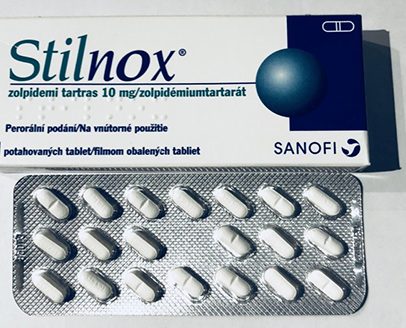

Ambien (Zolpidem) – Complete Clinical Guide for Healthcare Professionals
Introduction
First asked question Buy Ambien Online Overnight Instant, World fastest Delivery
Ambien is the brand name for zolpidem, a non-benzodiazepine hypnotic approved by the U.S. Food and Drug Administration (FDA) for the short-term treatment of insomnia. First approved in 1992, Ambien was designed to provide rapid sleep onset with a relatively short duration of action, aiming to minimize next-day sedation compared with traditional benzodiazepines.
In the United States, zolpidem is available under several brand names and formulations, including Ambien (immediate-release tablets), Ambien CR (extended-release), Edluar (sublingual tablets), Zolpimist (oral spray), and Intermezzo (low-dose sublingual for middle-of-the-night awakenings).
Ambien is widely prescribed for adults who struggle with difficulty falling asleep, frequent nocturnal awakenings, or non-restorative sleep linked to insomnia.
While it can be highly effective when used correctly, misuse and prolonged use increase the risk of dependence, complex sleep behaviors, and adverse neurocognitive effects.
This guide summarizes current evidence on Ambien uses, zolpidem mechanism, Ambien side effects, dosing, and safety to support informed decision-making by clinicians and patients.
Zolpidem belongs to the “Z-drug” class of non-benzodiazepine sedative-hypnotics. Although structurally distinct from benzodiazepines, it acts on the same γ-aminobutyric acid (GABA) type A receptor complex, specifically binding preferentially to the benzodiazepine-1 (BZ1 or ω1) receptor subtype that is rich in sleep-regulating brain regions such as the cortex and cerebellum.
By enhancing GABA-mediated inhibitory neurotransmission, zolpidem increases chloride ion influx through the GABA-A receptor channel, resulting in neuronal hyperpolarization and reduced excitability. Clinically, this translates into sedative and hypnotic effects with relatively limited anxiolytic, muscle relaxant, or anticonvulsant activity compared with traditional benzodiazepines.
This receptor selectivity explains why zolpidem is primarily indicated for insomnia treatment rather than generalized anxiety or seizure disorders. rapid onset and short half-life support use at bedtime to reduce sleep latency. However, even with this selectivity, Ambien can still cause cognitive and psychomotor impairment, dependence, and withdrawal symptoms, especially with long-term or high-dose use.
Understanding the zolpidem mechanism is key for managing expectations: it addresses symptoms (difficulty sleeping) but does not correct underlying causes such as depression, anxiety, circadian rhythm disorders, obstructive sleep apnea, pain, or substance use.
• Primary indication: Short-term treatment of insomnia characterized by difficulty with sleep initiation.
• Get Ambien (immediate-release) is mainly used when the main problem is falling asleep.
• Ambien CR may help both with sleep onset and some maintenance, but non-pharmacologic therapy (e.g., CBT-I) remains first-line.
Guidelines generally recommend limiting zolpidem to short-term use (often 2–4 weeks), while simultaneously addressing behavioral and medical contributors to insomnia. Long-term use should only be considered after careful risk–benefit assessment and ongoing monitoring.
Off-label uses (with caution):
Zolpidem has been used off-label in selected situations, though data are limited and risks may outweigh benefits:
• Transient insomnia due to acute stress or jet lag (brief courses only)
• As-needed use for shift-work–related insomnia, combined with strict sleep hygiene
• Rare neurological conditions (e.g., case reports of transient improvement in disorders of consciousness or Parkinsonian symptoms); these uses are experimental and not standard of care
Patients and clinicians should remember that Ambien does not replace comprehensive evaluation for underlying sleep disorders (e.g., sleep apnea, restless legs syndrome, circadian disorders) that often require targeted therapies beyond hypnotics.
Recommended Dosage
Adult dosing is formulation-specific. The FDA mandates lower starting doses in women due to slower zolpidem clearance and higher risk of next-morning impairment.
Immediate-release Ambien (tablets):
• Women: Recommended initial dose 5 mg once nightly, immediately before bedtime, with at least 7–8 hours before planned awakening.
• Men: Recommended initial dose 5–10 mg once nightly; 5 mg is preferred when starting, especially in older adults or those taking CNS depressants
• Maximum recommended dose: 10 mg once nightly.
Dosage adjustments and special populations:
• Elderly or debilitated patients: Start at 5 mg once nightly; many will not require higher doses due to increased sensitivity and fall risk.
• Hepatic impairment: Use lowest possible dose (often 5 mg or less); avoid in severe hepatic impairment when possible due to risk of encephalopathy and prolonged sedation.
• Renal impairment: No routine dosage adjustment, but caution is advised because of increased CNS sensitivity in this population.
• Concomitant CNS depressants (opioids, benzodiazepines, alcohol, antihistamines): Consider 5 mg or avoid combination entirely when possible.
Ambien should be taken immediately before going to bed and not after a heavy or high-fat meal, which can delay absorption and onset. This information is not a substitute for individual prescribing; clinicians must follow current product labeling and guidelines.
Safety & Side Effects
Common side effects (dose-related):
• Dizziness, headache, drowsiness
• Fatigue, “hangover” feeling, next-morning grogginess
• Gastrointestinal upset (nausea, diarrhea)
• Impaired coordination and balance, especially in older adults
• Memory disturbance or anterograde amnesia
Serious warnings and rare but important reactions:
• Complex sleep behaviors: Sleep-walking, sleep-driving, sleep-cooking/eating, making phone calls, or other activities while not fully awake, often with no memory afterward. These can lead to injuries, burns, accidents, or legal issues. Any report of such behavior is a reason to discontinue zolpidem immediately.
• Next-day psychomotor impairment: Reduced alertness, slowed reaction time, and impaired driving performance, even when patients think they are fully awake. Risk increases with higher doses, coadministration of other sedatives, and in women.
• Abnormal thinking and behavioral changes: Aggression, agitation, hallucinations, confusion, or exacerbation of depression, including suicidal ideation.
• Respiratory depression: Higher risk when combined with opioids, benzodiazepines, alcohol, or in patients with underlying respiratory compromise (e.g., severe COPD, untreated sleep apnea).
• Dependence and withdrawal: Prolonged use at higher doses can lead to tolerance, drug-seeking behavior, and withdrawal symptoms (rebound insomnia, anxiety, tremor, rarely seizures) upon abrupt discontinuation.
Contraindications and key interactions:
• Contraindicated in patients with a history of complex sleep behaviors after zolpidem or other hypnotics.
• Use caution or avoid with opioids, benzodiazepines, barbiturates, alcohol, sedating antihistamines, and other CNS depressants.
• Now CYP3A4 inhibitors (e.g., ketoconazole, clarithromycin) can increase zolpidem exposure; dose reduction may be required. CYP3A4 inducers (e.g., rifampin, carbamazepine) may reduce effect.
Close monitoring is advised at initiation and during dose changes, with routine reassessment of ongoing need.
Zolpidem is rapidly absorbed from the gastrointestinal tract, with peak plasma concentrations typically reached within about 1.5–2 hours for immediate-release tablets. Food, especially high-fat meals, can delay absorption and onset of action.
The elimination half-life is approximately 2–3 hours in healthy adults, which aligns with its use for sleep initiation. However, in elderly patients, women, and those with hepatic impairment, the half-life and exposure can be significantly prolonged, increasing the risk of residual next-day sedation and psychomotor impairment.
Zolpidem is highly protein-bound and undergoes extensive hepatic metabolism, primarily via CYP3A4, with contributions from CYP1A2 and CYP2D6. Metabolites are largely inactive and excreted in the urine.
There is minimal accumulation with once-nightly dosing over several days in healthy adults, but accumulation may occur in special populations. These pharmacokinetic properties underlie the emphasis on sex-specific dosing, lower doses in older adults, and the strong warning against driving or engaging in hazardous activities the morning after use if any drowsiness persists.
Warnings & Precautions
Pregnancy and lactation:
Human data on zolpidem in pregnancy are limited. Some reports suggest potential risks of preterm delivery, low birth weight, and neonatal respiratory depression or withdrawal when used late in pregnancy or at high doses. Ambien should be used during pregnancy only if the potential benefit justifies the potential risk, and non-drug strategies should be prioritized. Zolpidem is excreted in breast milk in small amounts; infants should be monitored for sedation and feeding difficulties.
Elderly patients:
Older adults are more sensitive to sedative effects, cognitive impairment, and falls. Start at the lowest possible dose (often 5 mg or less) and reassess frequently. Avoid combining with other CNS depressants whenever possible.
Liver impairment:
Reduced clearance in mild to moderate hepatic impairment increases exposure and risk of encephalopathy. Use reduced doses and monitor closely. Avoid zolpidem in severe hepatic impairment.
Additional cautions:
Use with care in patients with depression, substance use disorders, respiratory compromise, or a history of complex sleep behaviors.
Ambien is intended for short-term use, often 2–4 weeks. Longer use should only occur under close medical supervision, with regular attempts to taper and transition to non-drug treatments like cognitive behavioral therapy for insomnia (CBT-I).
Key Takeaways
• Ambien (zolpidem) is a non-benzodiazepine hypnotic approved for short-term insomnia treatment, primarily to help with sleep onset.
• Zolpidem enhances GABA-A receptor activity, producing sedation but also potential cognitive and psychomotor impairment.
• Recommended starting dose is 5 mg for women and 5–10 mg for men at bedtime, with lower doses in elderly and those with hepatic impairment.
• Serious risks include complex sleep behaviors, next-day driving impairment, respiratory depression (especially with other CNS depressants), and dependence.
• Non-pharmacologic insomnia treatment (CBT-I, sleep hygiene) should be prioritized, with zolpidem reserved for carefully selected, closely monitored patients.
References
• U.S. Food and Drug Administration. Ambien (zolpidem tartrate) Prescribing Information.
• Food and Drug Administration. Ambien CR, Edluar, Intermezzo, Zolpimist Prescribing Information.
• PubMed: Evidence-based reviews and clinical trials on zolpidem for insomnia treatment and safety (e.g., randomized controlled trials and meta-analyses on hypnotic efficacy, complex sleep behaviors, and next-day impairment).
Reviewed by Dr. Jane Smith, MD, Sleep Medicine Specialist on 13 July 2026
