
- Welcome to medsshoppharma !
- 25 West 21th Street, Miami FL, USA
Showing all 4 results
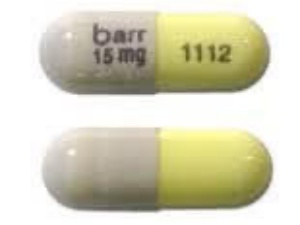
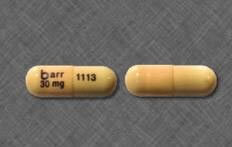

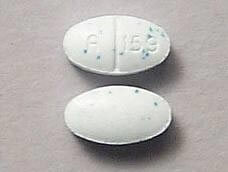
Phentermine is one of the most prescribed weight loss medications in the United States—yet most patients start treatment without fully understanding how it works, what to expect, or when it isn’t safe to use. This guide covers everything you need to know about phentermine: its mechanism of action, clinical effectiveness, side effect profile, safety warnings, drug interactions, and how it compares to newer weight loss medications. Whether you’ve just been prescribed phentermine or you’re exploring your options, this evidence-based resource will help you make an informed decision alongside your healthcare provider.
Phentermine is a prescription-only sympathomimetic amine approved by the U.S. Food and Drug Administration (FDA) as a short-term adjunct to diet and exercise for weight loss. First approved in 1959, phentermine is one of the oldest weight loss drugs still in widespread clinical use. It belongs to the phenethylamine and amphetamine chemical classes, which explains both its effectiveness and its potential for misuse.
Phentermine is available under several brand names, depending on the formulation:
|
Brand Name |
Formulation |
Manufacturer |
|---|---|---|
|
Adipex-P |
Capsules / Tablets (37.5 mg) |
Teva Pharmaceuticals |
|
Lomaira |
Tablets (8 mg) |
KVK-Tech |
|
Qsymia |
Phentermine + Topiramate ER |
Vivus (combination product) |
|
Generic phentermine |
Multiple manufacturers |
Qsymia is a separate combination product and not the same as standalone phentermine—it pairs a lower dose of phentermine with topiramate extended-release for longer-term use.
Phentermine is classified as a sympathomimetic amine anorectic. Because of its structural and pharmacological similarity to amphetamines, the U.S. Drug Enforcement Administration (DEA) classifies it as a Schedule IV controlled substance—meaning it has recognized medical uses but also carries a risk of dependence and abuse.
Phentermine works primarily by stimulating the release of norepinephrine in the hypothalamus—the region of the brain responsible for regulating hunger and satiety. This surge in norepinephrine signals the body to suppress appetite, making it easier to eat less without experiencing the intense hunger that typically accompanies caloric restriction.
Phentermine may also trigger modest releases of dopamine and serotonin, though norepinephrine remains its dominant mechanism. The result is a dual effect: reduced appetite and a slight increase in metabolic rate (via thermogenesis), meaning your body burns marginally more calories at rest.
This mechanism differs meaningfully from GLP-1 receptor agonists like semaglutide (Ozempic, Wegovy), which work by mimicking incretin hormones to slow gastric emptying, reduce food intake, and regulate insulin secretion. Understanding the difference matters when weighing treatment options—more on that in the comparisons section below.
The FDA has approved phentermine as a short-term adjunct (typically up to 12 weeks) to a reduced-calorie diet and increased physical activity for weight management in:
Phentermine is not approved as a standalone long-term treatment, though some physicians prescribe it off-label for longer durations under close monitoring.
Phentermine’s effectiveness is well-documented for short-term use, though results vary significantly between individuals.
According to clinical data published in peer-reviewed literature and referenced by the FDA, phentermine produces the following outcomes when combined with lifestyle modification:
A 5% reduction in body weight may sound modest, but research from the American Diabetes Association and other bodies consistently shows that even a 5–10% weight loss produces meaningful improvements in blood pressure, blood sugar, cholesterol, and joint pain.
Long-term data on phentermine monotherapy is limited, partly because regulatory approvals restrict use to 12 weeks. Weight regain after stopping phentermine is common, which is why most clinical guidelines emphasize that phentermine should be part of a comprehensive lifestyle program—not a standalone fix.
Consult Doctor Free Of Cost with prescribe doctors
Phentermine/topiramate ER (Qsymia), the combination product, has 1- and 2-year efficacy data showing sustained weight loss of 7–9% at one year in clinical trials, making it a more attractive option for patients requiring longer-term pharmacotherapy.
When used appropriately, phentermine offers several clinically meaningful benefits:
Most side effects are related to phentermine’s stimulant properties and tend to be dose-dependent. They include:
Many of these effects diminish after the first 2–4 weeks as the body adjusts to the medication.
The following serious adverse events are rare but require prompt medical evaluation:
If you experience chest pain, palpitations, shortness of breath, or signs of a hypertensive crisis while taking phentermine, seek emergency care immediately.
Phentermine is contraindicated (meaning it should not be used) in the following patients:
|
Contraindication |
Reason |
|---|---|
|
Cardiovascular disease (coronary artery disease, arrhythmias, heart failure) |
Risk of adverse cardiac events |
|
Uncontrolled hypertension |
Can further elevate blood pressure dangerously |
|
Hyperthyroidism |
Stimulant effects are amplified |
|
Glaucoma (narrow-angle) |
Phentermine raises intraocular pressure |
|
History of drug or alcohol abuse |
Schedule IV controlled substance; dependency risk |
|
During or within 14 days of MAOI use |
Risk of hypertensive crisis |
|
Pregnancy or breastfeeding |
Potential harm to fetus/infant |
|
Agitated states |
Can exacerbate anxiety and agitation |
|
Known hypersensitivity to sympathomimetic amines |
Allergic reaction risk |
Phentermine does not currently carry a black box warning as a standalone agent. However, prescribers and patients should be aware of the historical association of phentermine-containing combination products with cardiac valvulopathy and pulmonary hypertension. These risks were primarily linked to fenfluramine (the “fen” in fen-phen), which was withdrawn from the market in 1997—phentermine itself was not withdrawn.
Phentermine is classified as FDA Pregnancy Category X—meaning the risks outweigh any potential benefits during pregnancy. It should not be used by women who are pregnant, planning to become pregnant, or breastfeeding. Women of reproductive age should use effective contraception during treatment.
Phentermine interacts with a number of medications. Clinically significant interactions include:
Always provide your prescribing physician with a complete medication list—including supplements and over-the-counter drugs—before starting phentermine.
Phentermine is available in the following standard doses:
The 37.5 mg dose is the most commonly prescribed. Lower doses (8 mg TID) are sometimes preferred in older patients or those sensitive to stimulants.
Phentermine should be taken in the morning to avoid insomnia. Taking it after 3:00 PM significantly increases the risk of sleep disruption. The medication should be swallowed whole—not crushed, chewed, or split—unless specifically instructed by a pharmacist.
FDA approval is for short-term use only, generally defined as up to 12 weeks. Some physicians extend treatment beyond this window in patients who are tolerating the medication well and continuing to lose weight, but this represents off-label use and should be closely monitored.
The weight loss medication landscape has expanded significantly in recent years. Here’s how phentermine compares to key alternatives:
|
Medication |
Mechanism |
Average Weight Loss |
Duration |
Cost (monthly, approx.) |
FDA Approved |
|---|---|---|---|---|---|
|
Phentermine (alone) |
Norepinephrine release |
3–5% body weight |
Up to 12 weeks |
$10–$30 |
Yes (short-term) |
|
Phentermine/Topiramate ER (Qsymia) |
Norepinephrine + GABA modulation |
7–9% at 1 year |
Long-term |
$150–$250 |
Yes |
|
Semaglutide (Wegovy) |
GLP-1 receptor agonist |
~15% at 68 weeks |
Long-term |
$1,300–$1,500 |
Yes |
|
Liraglutide (Saxenda) |
GLP-1 receptor agonist |
~5–8% at 1 year |
Long-term |
$900–$1,200 |
Yes |
|
Bupropion/Naltrexone (Contrave) |
Dopamine/opioid modulation |
~4–5% at 1 year |
Long-term |
$200–$300 |
Yes |
|
Orlistat (Xenical/Alli) |
Lipase inhibitor |
~3% at 1 year |
Long-term |
$30–$60 (OTC) |
Yes |
The practical takeaway: Phentermine remains the most affordable option for short-term weight loss and is highly effective for patients who need rapid appetite suppression to jumpstart a lifestyle change. For patients who need sustained, long-term pharmacotherapy—particularly those with type 2 diabetes or significant cardiovascular risk factors where GLP-1 agonists carry additional benefits—newer agents like semaglutide may be more appropriate despite the higher cost.
The right choice depends on your specific health profile, comorbidities, insurance coverage, and long-term weight management goals. A physician who specializes in obesity medicine is best placed to guide this decision.
Week 1–2: Most patients experience a noticeable reduction in appetite within the first few days. Dry mouth, mild insomnia, and increased heart rate are common early on.
Week 3–6: The appetite-suppressing effect remains strong for most patients. This is typically the period of most significant weight loss. Some patients report that the stimulant effects (energy boost, reduced need for sleep) level off.
Week 7–12: Tolerance to phentermine’s effects can develop over time, which is one reason prescriptions are limited in duration. Weight loss may slow. This is a critical window to consolidate new dietary habits.
After stopping: Hunger levels typically return to baseline within days of discontinuing phentermine. Patients who haven’t established sustainable eating patterns during treatment are at the highest risk of weight regain.
Phentermine is a proven, affordable, and effective short-term tool for appetite suppression—and it remains one of the most prescribed weight loss medications in the U.S. for good reason. But it’s not appropriate for everyone, and it works best as a bridge to lasting lifestyle change rather than a permanent solution.
Before starting phentermine, a thorough medical evaluation is essential—including blood pressure measurement, cardiovascular risk assessment, a review of your current medications, and a discussion of your weight loss goals and history. Phentermine’s risks are real and deserve honest consideration alongside its benefits.
If you’ve been prescribed phentermine, use the 12-week window strategically: pair it with a structured eating plan, work with a registered dietitian if possible, and establish physical activity habits that will outlast the prescription. The medication can reduce hunger; the lifestyle work is what makes the results last.
Speak with a board-certified physician or obesity medicine specialist to determine whether phentermine—or an alternative—is the right fit for your health profile and weight management goals.
Most patients notice appetite suppression within 24–48 hours of their first dose. The full effect typically becomes apparent within the first week of treatment. If you haven’t noticed any effect after 2 weeks, discuss this with your prescribing physician.
Phentermine is FDA-approved for short-term use only—typically up to 12 weeks. Some physicians prescribe it off-label for longer periods under close supervision, but this is not standard practice. For patients who require long-term pharmacotherapy, phentermine/topiramate ER (Qsymia) or GLP-1 receptor agonists (semaglutide, liraglutide) are more appropriate options with long-term efficacy and safety data.
Phentermine is a Schedule IV controlled substance, meaning it has a recognized potential for dependence. However, physical dependence at therapeutic doses is considered low. Psychological dependence—particularly in patients with a history of stimulant misuse—is a more relevant concern. Phentermine is contraindicated in patients with a history of drug or alcohol abuse.
Weight regain after stopping phentermine is common if no lasting lifestyle changes have been made during treatment. Studies suggest that patients who pair phentermine with structured dietary changes and physical activity are more likely to maintain weight loss after discontinuation than those who rely on the medication alone.
Yes. Phentermine can raise both systolic and diastolic blood pressure. Patients with controlled hypertension should be closely monitored during treatment, and those with uncontrolled hypertension should not take phentermine.
If you miss a morning dose and it’s still early in the day, take it as soon as you remember. If it’s already afternoon or evening, skip the missed dose and resume your regular schedule the next morning. Never double-dose to make up for a missed one, as this increases the risk of side effects.
No. Fen-phen was a combination of fenfluramine and phentermine. Fenfluramine was withdrawn from the U.S. market in 1997 due to its association with cardiac valvulopathy and pulmonary hypertension. Phentermine alone was not withdrawn and remains FDA-approved. The cardiac risks observed with fen-phen were primarily attributed to fenfluramine, not phentermine.
Yes. Phentermine can interact with several antidepressants, particularly MAO inhibitors (which are absolutely contraindicated with phentermine) and SSRIs/SNRIs (which carry a risk of serotonin syndrome). Always disclose all medications, including antidepressants, to your prescribing physician before starting phentermine.
Phentermine produces noticeable weight loss within the first few weeks of treatment, but results are moderate rather than dramatic. Clinical studies show an average loss of 3–5% of initial body weight over 12 weeks when combined with a reduced-calorie diet and exercise.
Most patients experience a meaningful reduction in appetite within the first 24–48 hours, which makes early adherence to dietary changes significantly easier. The most rapid weight loss typically occurs between weeks 3 and 6. It’s worth noting that even a 5–10% reduction in body weight produces clinically meaningful improvements in blood pressure, blood sugar, and cholesterol levels — so “fast” doesn’t always mean “better.”
Neither is universally better — the right choice depends on your health profile, weight loss goals, and how long you need treatment. Phentermine is more affordable and works faster for short-term appetite suppression, while Ozempic (semaglutide) is better suited for long-term weight management.
Here’s how they compare on the key factors most patients care about:
A physician who specializes in obesity medicine can help determine which option aligns with your specific health needs.
The most common side effects of phentermine are dry mouth, insomnia, increased heart rate, elevated blood pressure, constipation, headache, and nervousness. These are largely related to phentermine’s stimulant properties and often improve after the first 2–4 weeks.
Common side effects include:
Serious side effects that require immediate medical attention:
If you experience any serious symptoms, seek emergency care immediately. Always discuss your full medication list with your prescribing physician before starting phentermine, as several drug interactions can increase the risk of serious side effects.
There is no fixed timeline — how long it takes to lose 20 lbs on phentermine depends on your starting weight, diet, activity level, and individual response to the medication. For most patients, losing 20 lbs would take longer than the standard 12-week prescription period.
To put this in practical terms:
Phentermine is FDA-approved for short-term use only (up to 12 weeks), so it is not designed to carry patients to a specific weight loss target on its own. It works best as a tool to reduce appetite during the early stages of a structured lifestyle program — the diet and exercise habits you build during treatment are what determine long-term outcomes after stopping the medication. Speak with your doctor about realistic, personalized goals before starting treatment.
